
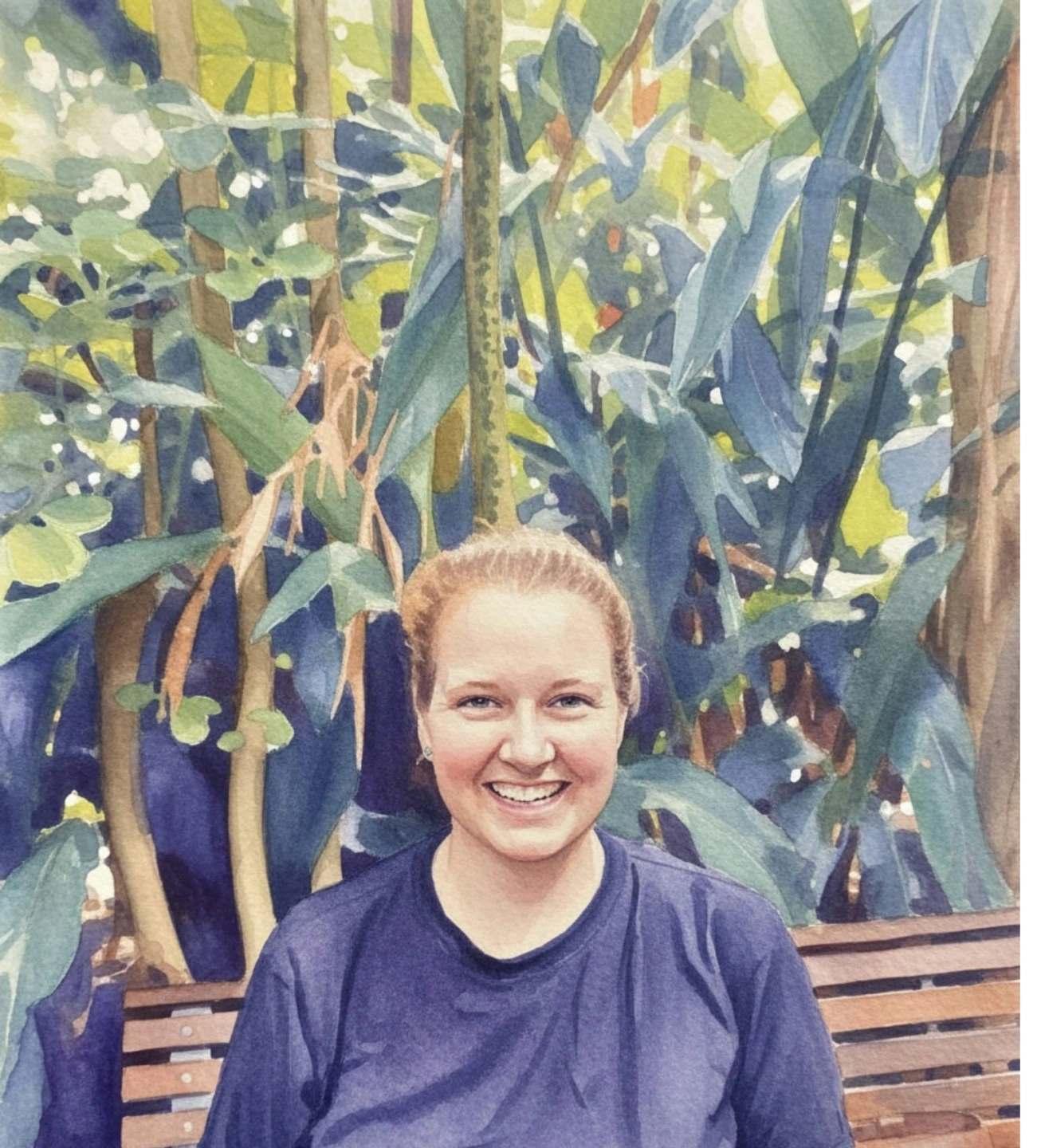
Welcome!
Dr Katrina McKie is an AHPRA Registered Psychologist who supports children and adolescents with:
Anxiety
Depression
Social difficulties
Learning challenges
Executive functioning deficits
Attention Deficit Hyperactivity Disorder
Autism Spectrum Disorder
Specific Learning Disorders
Katrina works collaboratively with the young person as well as the people who care for them - including parents, educators and other allied health professionals.
Katrina draws from her lived experience as a parent and understands the unique challenges that neurodivergence can bring to home and school life.
Katrina offers therapeutic interventions as well as assessments from a calm environment in the leafy suburb of Mount Evelyn.
Prior to working in private practice, Katrina worked for over a decade in psychology higher education.
Memberships and Certifications


Psychology Services
You can access a brief description for each service or assessment type by hovering your mouse over the relevant option.

Counselling
Anxiety
Depression
Friendship difficulties
Emotional regulation
Low self-esteem
Executive functioning
Parent support
CBT
Play therapy
Solution Focused Brief Therapy
DBT

Parent Sessions
Parent sessions are an opportunity to discuss the difficulties facing your child and to collaboratively come up with strategies to support the child at home or at school
Parent support sessions can also be arranged to talk through difficulties in navigating parenthood specific to your child
Family therapy sessions with all members of the family present are not currently available
These sessions are not couples counselling

Behavioural and Emotional Health Assessment
An assessment of behavioural and emotional health may be considered as part of the formulation for therapy and/or for clarification regarding the appropriateness of further (diagnostic) assessment
The BASC-4 questionnaires may be completed by the child's parent/caregiver and their teacher to gain insight into the child's behavioural and emotional health both at home and at school
Questionnaire links are provided to the parent/caregiver and teacher to complete in their own time
The BASC-4 is a screening measure, not a diagnostic measure, for the purposes of gaining additional information about the child
A link to the BASC-4 may also be provided to the young person to complete if 13 years +

School Observation or Consultation
Observation at school can be a useful part of assessments, for gathering information about how the child functions inside the classroom as well as outside at playtime
Discussion with the child's classroom teacher, education support or other support people can provide insight into the child's needs. Appropriate supports or adjustments may be recommended, to optimise wellbeing and learning capacity at school

ADHD Assessment
Diagnostic assessment for Attention Deficit Hyperactivity Disorder (ADHD)
Available for children 6 years+
Formal assessment questionnaires i.e., Conners-4 to be completed by parent, teacher and child (depending on age)
A separate cognitive (IQ) assessment is needed (unless already completed by the child in the last 2 years)

Adaptive Functioning Assessment
Assessment of adaptive behavior, meaning the practical skills people use to function independently in daily life
This assessment may be administered alongside a cognitive assessment or an autism assessment
Information may be gathered by the parent/caregiver and/or the teacher via questionnaire i.e., Vineland-3
Results can assist with determining eligibility for NDIS funding or school funding

Cognitive Assessment
An assessment of cognitive functioning that may be used to understand cognitive strengths and relative weaknesses. Can also produce an overall IQ score
Available to children aged 6 years to 16 years and 11 months - using the WISC-V Australia and New Zealand tool
Administered face to face at the clinic in either one session block or two session blocks as necessary
Routinely administered as part of a comprehensive ADHD assessment, Autism assessment and Specific Learning Disorder assessment
A necessary assessment for entrance to a special development school

Educational Assessment
An educational assessment is required for the identification of a learning difficulty or Specific Learning Disorder
The assessment tool administered is the WIAT-III which assesses listening, writing, reading and mathematics skills
Administration is face to face at the clinic and may require more than one 2 hr testing session to be completed
The child or young person will also need to complete a cognitive assessment (WISC-V) if one has not already been completed within the last 2 years
Recent school reports and other relevant reports are reviewed as part of this assessment

Autism Assessment
Assessment for Autism Spectrum Disorder may be considered appropriate based on information from parent/caregiver and screening results
The MIGDAS-2 assessment tool is utilised which is a sensory interview session with the child at the clinic. They can explore a variety of different sensory items and observations are recorded
The parent/caregiver will be provided with a MIGDAS-2 booklet to complete and return to the clinic. A teacher MIGDAS-2 form will also be provided for the parent to supply (and collect) from the teacher and return to the clinic
An adaptive functioning assessment may be administered as part of an comprehensive assessment for Autism